The Role of Ritual in Daily Life
How Deliberate Practices Shape Intention and Behavior
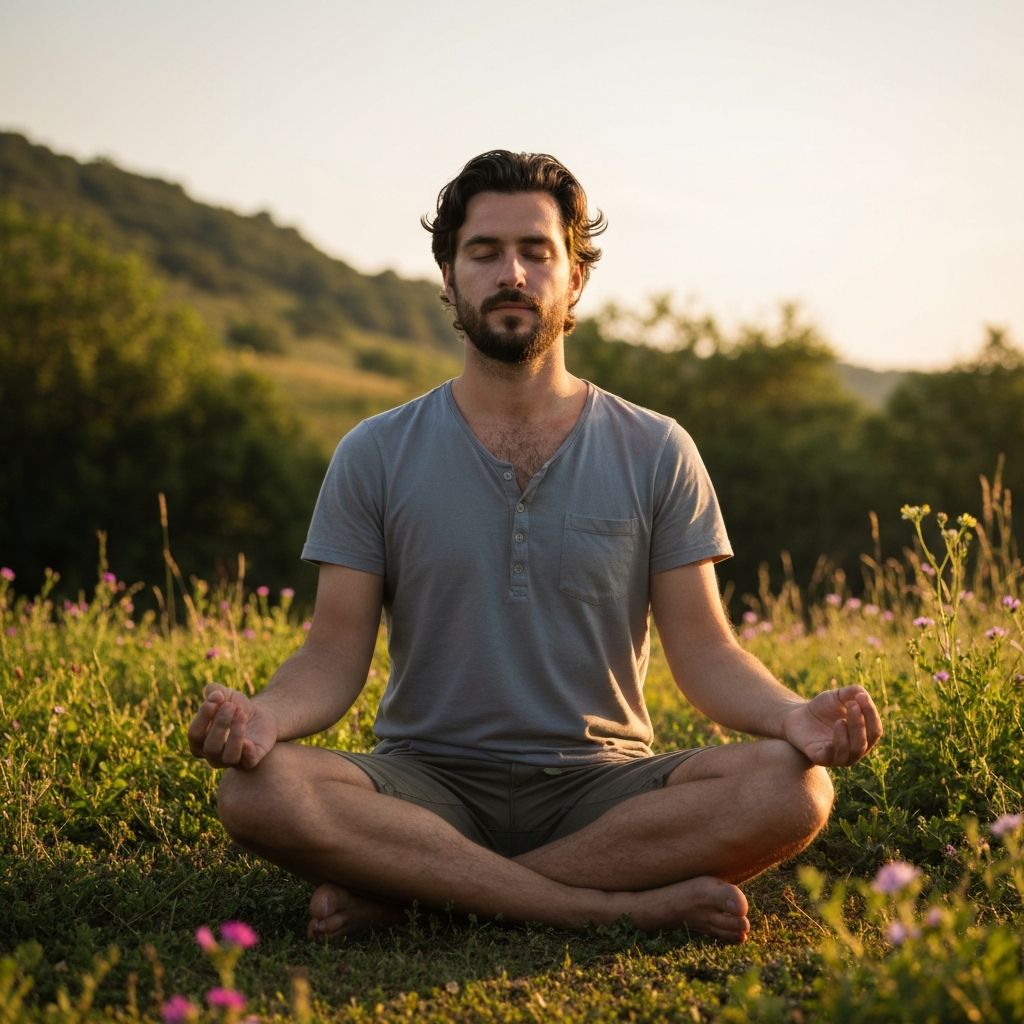
Understanding Ritual and Intention
Rituals are structured practices that anchor intention into daily life. Unlike habits that form unconsciously, rituals are deliberate acts performed with awareness and purpose. They serve as touchstones for mindfulness.
In the context of wellness, rituals create containers for self-care. A morning meditation practice, a designated exercise time, or a mindful meal preparation routine—each transforms ordinary moments into intentional acts.
The Psychological Framework
Rituals reduce cognitive load. When practices become ritualized, the mind requires less energy to initiate them. This allows conscious attention to shift from "should I do this?" to "how can I deepen this practice?"
Research in behavioral psychology suggests that consistent rituals create neural pathways that support sustained behavior change. The repetition itself becomes a form of reinforcement.
Morning Rituals and Daily Momentum
How a man structures his morning often determines the quality of his day. A morning ritual might include physical movement (stretching, exercise), mental clarity practices (meditation, journaling), and nourishment (mindful breakfast).
The power of morning rituals lies not in any single component but in their cumulative effect—they establish psychological momentum and set intentions for the hours ahead.
Evening Rituals and Reflection
Evening practices provide counterbalance to daytime activity. Reflection practices, gentle movement, or wind-down routines prepare the body and mind for rest, completing a full cycle of conscious living.
Regular evening rituals improve sleep quality and provide space for processing the day's experiences—essential components of integrated well-being.
Individual Variation
Rituals must align with personal circumstances. What works for one man may require modification for another based on schedule, environment, energy levels, and personal preferences.
The principle is universal—consistent, intentional practice supports wellness. The specific forms rituals take are deeply individual, requiring personal experimentation and adjustment.